

An adaptive curriculum:
our i-Ready curriculum adjusts to your child's own learning pace to build real mastery in reading and math.
Kindergarten · Franklin Academy
Choosing your child's first school is one of the biggest decisions you'll make, and if you're feeling a little nervous, you're not alone. Kindergarten is the starting line of your child's whole educational journey, and at Franklin Academy, we treat that first step with all the care it deserves.
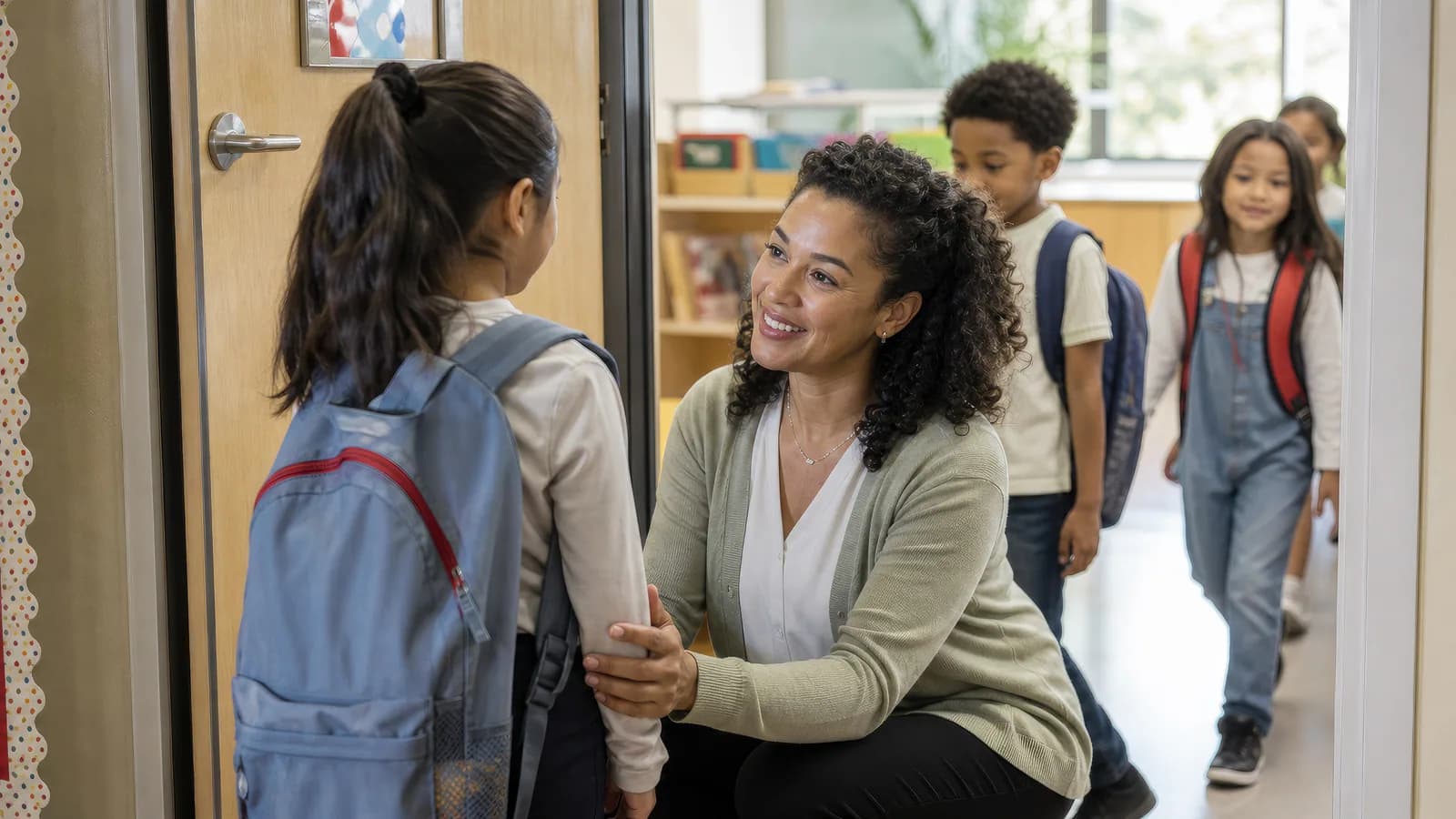
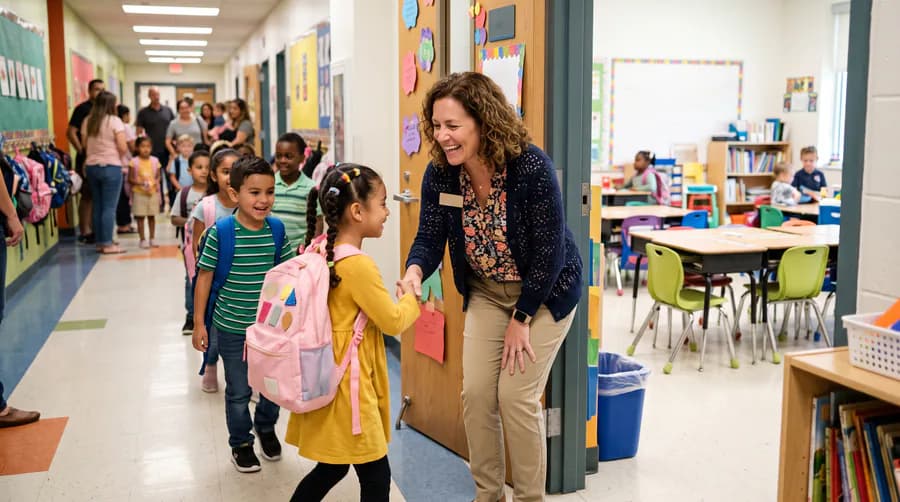
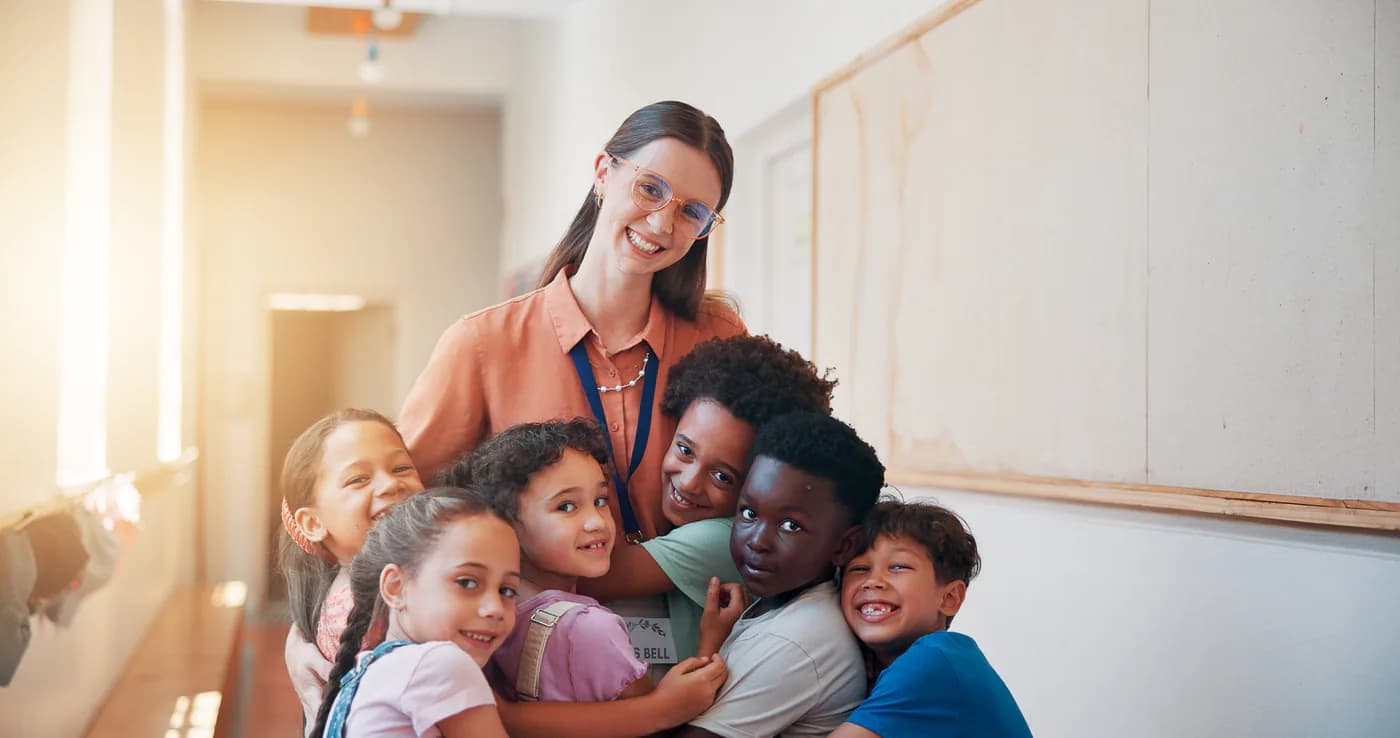
Little learners do their best when they feel safe, seen, and encouraged, and that's exactly the kind of place our kindergarten is. Patient, caring teachers greet your child by name, in a joyful and secure space to explore, with instruction tailored to how your child learns best. We meet every child right where they are and gently help them grow in confidence, curiosity, and kindness.
Franklin Academy offers free, full-day kindergarten: a whole day to build the strong foundation your child will learn on for years to come, at no cost to your family. A full day gives your child the time to grow, make friends, and truly find their footing.

From the very first day, we meet your child right where they are and build the foundation they'll learn on for years to come. Here's how:
our i-Ready curriculum adjusts to your child's own learning pace to build real mastery in reading and math.
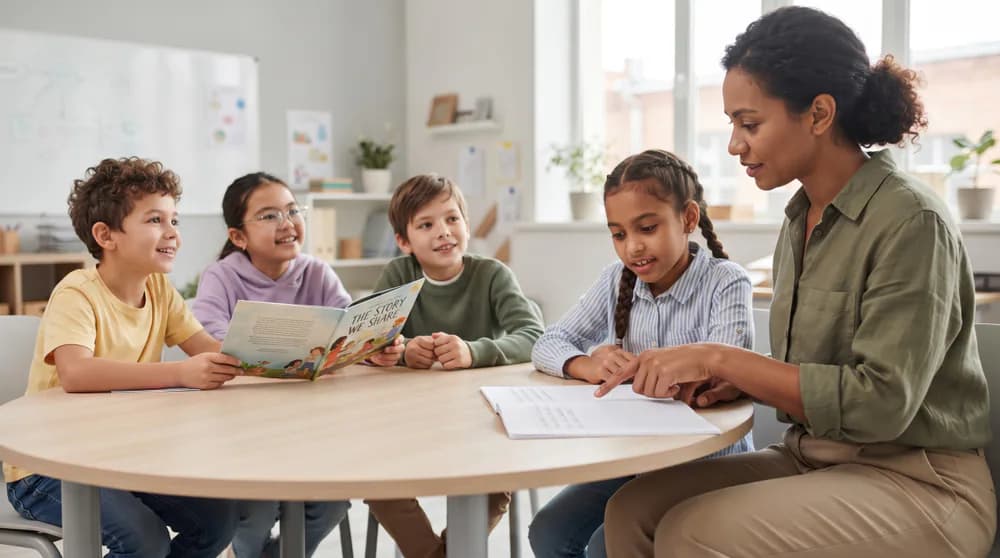
instruction happens in small groups, so every child gets the individualized attention they need to thrive.

a hands-on approach that develops practical skills and makes learning stick.

social-emotional skill building helps your child learn to manage emotions and make responsible decisions.
Turns 5 by December 31
Is your child bright, curious, and ready for more, but just misses the kindergarten age cutoff? Franklin Academy offers Kindergarten Early Entrance for children who turn 5 by December 31 and show they're ready through a friendly readiness assessment. It's our way of making sure a child who's ready to soar doesn't have to wait a whole year.
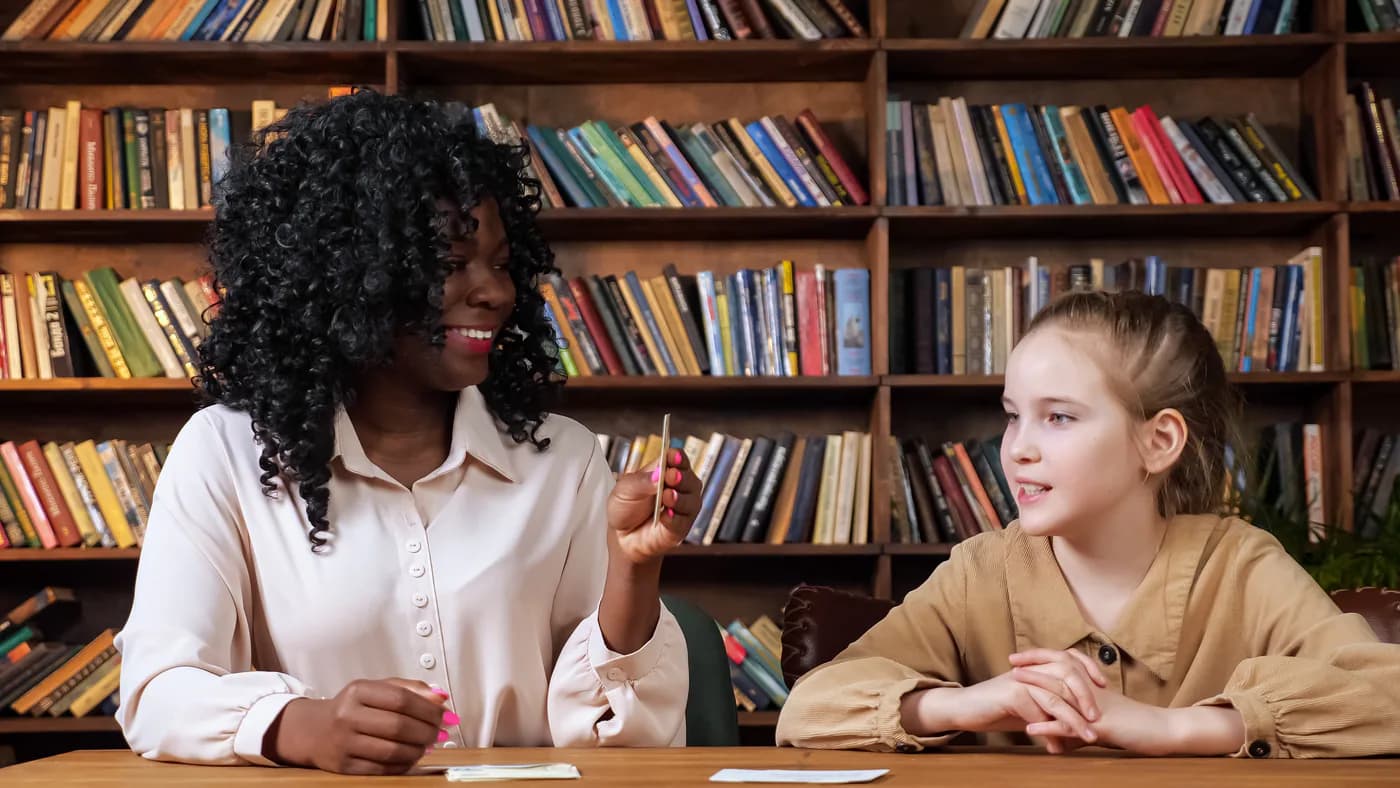
Every child grows at their own pace, and preparing for kindergarten is something you and your child can do side by side. This is a gentle guide, not a test. Look through the areas below, find the one you're wondering about, and see what readiness looks like along with simple ways to help at home.

Ready looks like: keeps hands to self, shares and takes turns, plays well with others, and uses supplies like scissors, pencils, and blocks.
Build it at home: play turn-taking games, offer art time with scissors and blocks, and praise calm hands and sharing.
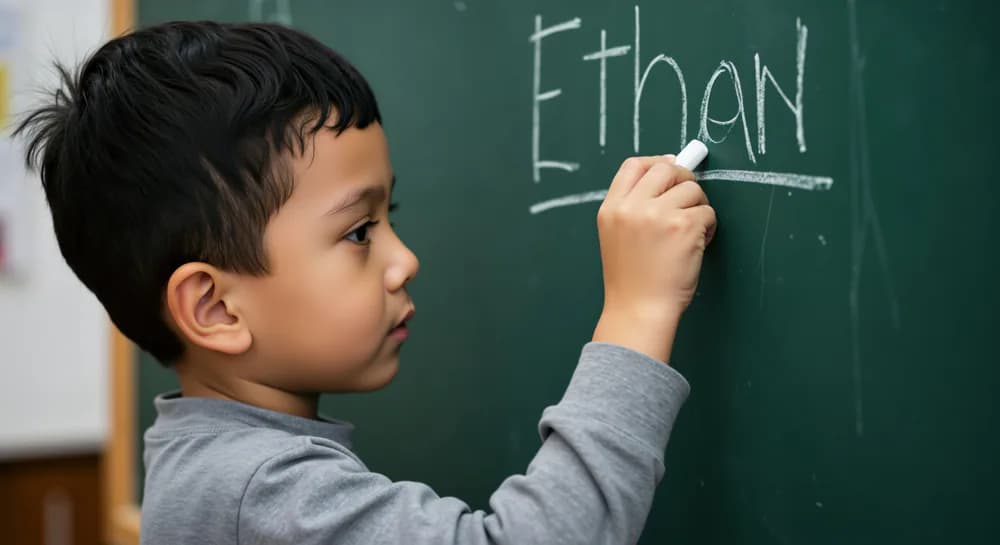
Ready looks like: says their first and last name, writes their first name, says the letters in their name, and knows a caregiver's name.
Build it at home: practice their full name together, write their name and point out each letter, and sing name and letter songs.

Ready looks like: follows directions and asks for what they need.
Build it at home: give small chores with two-step directions, encourage them to ask for help with words, and praise good listening.
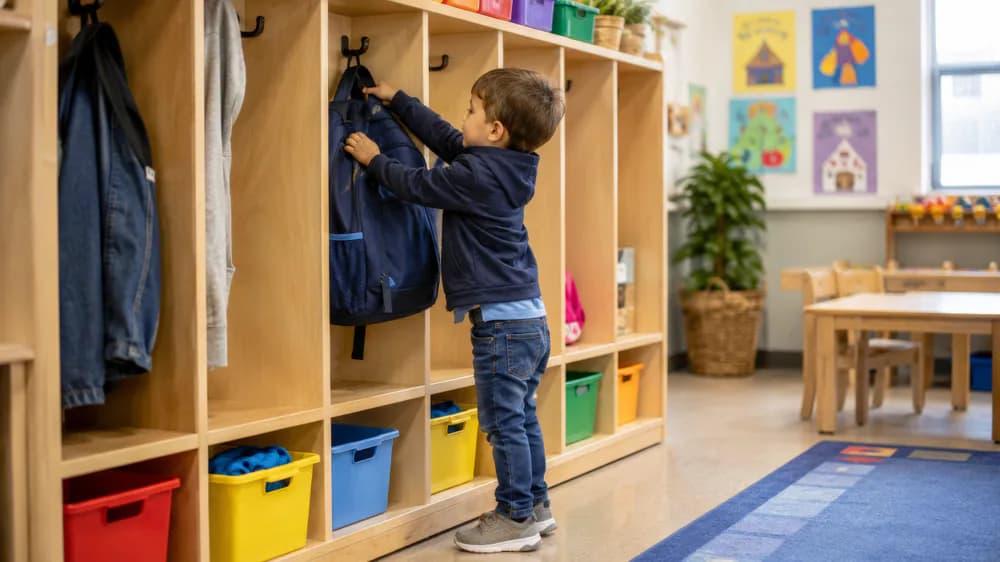
Ready looks like: uses the restroom on their own, puts on and zips a coat, and tries tying shoes.
Build it at home: set morning and bedtime routines and let them do the steps, practice zipping and shoe-tying, and offer guidance with lots of praise.

Ready looks like: has their immunizations, looks both ways crossing the street, and knows not to talk to strangers.
Build it at home: practice their address and a caregiver's phone number, finish the physical, dental exam, and immunizations, remind them to look both ways, and talk about who to go to for help.
Adapted from Ready for Kindergarten Ohio, education.ohio.gov
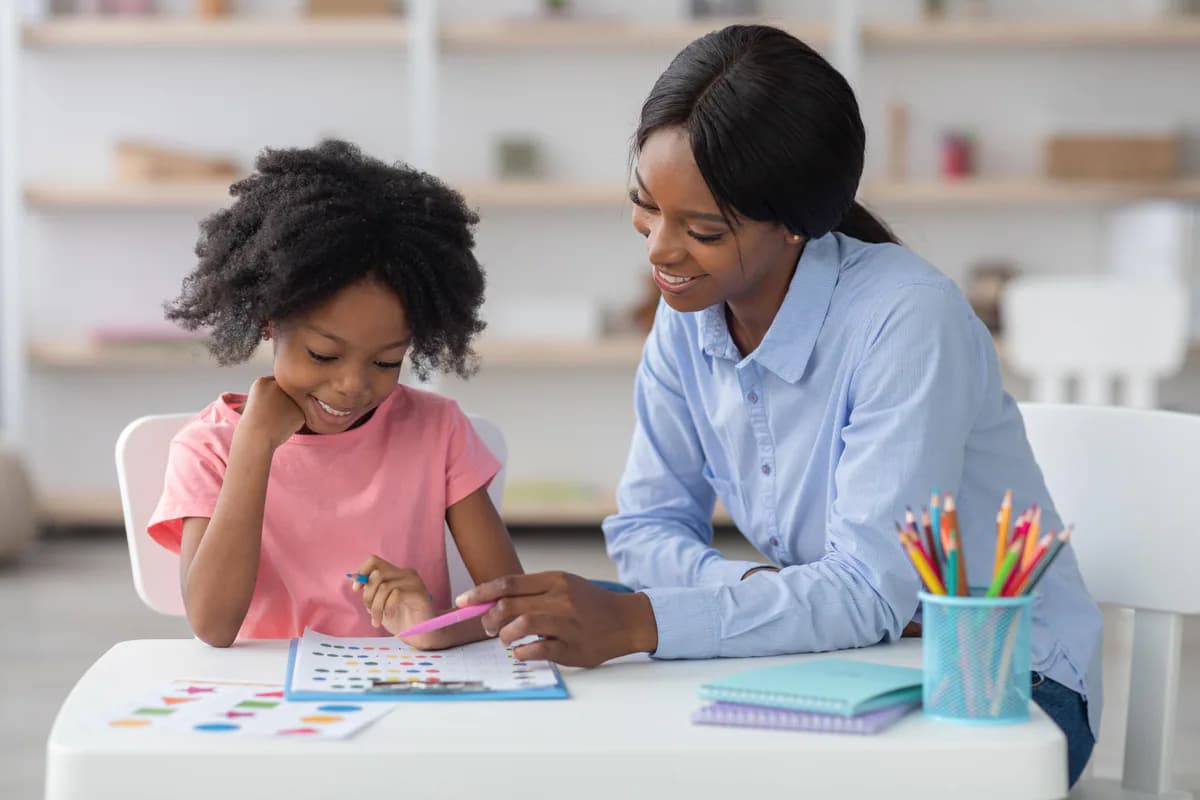
The assessment is a gentle, one-on-one activity. No pressure, just a chance for your child to show what they know. Keep practice playful and short, and celebrate effort. Here's what your child will be asked to do, with easy ways to practice at home:
Keep it light and fun. A relaxed child shows their best.
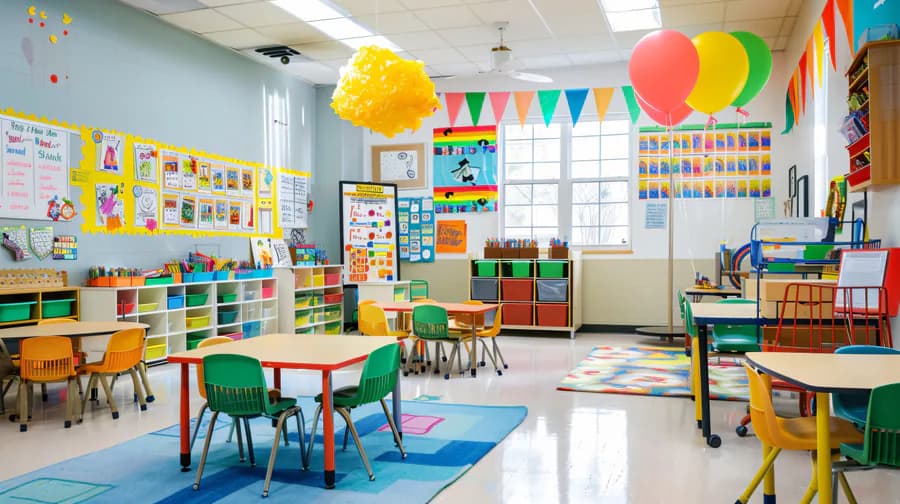



The best way to feel confident is to visit. Come see our classrooms, meet our teachers, and picture your child here.